Direct the film. Then measure it.
OpenViral makes short videos from code: every frame is a function of time, so the same brief renders the same bytes twice. It does not stop at "it rendered". Each film starts from a written direction, and the finished mp4 is measured against that direction before anyone calls it done.
The method
Three steps, and the last one is a number
- Direction cardDecide before drawing
A short card names the decisions a viewer should feel: where the light is, how deep the space is, when the film holds its breath, what the one big moment is.
- LookA look draws the decisions
A look is a small library of type, colour, motion and sound rules. The card says what to do; the look decides how it appears. Looks are reused across films.
- Measured QAThe file is checked, not watched
After render, the mp4 itself is measured: brightness centroids, layer speeds, motion and loudness per frame, text kept clear of platform UI. A check that fails stops delivery.
Pixel dioramas
Three science shorts, each passing four checks
Pixel art drawn entirely by code: the worlds, the 5×7 type and the score. Each film makes four decisions and the measurement reads them back from the video. 25 s, 9:16, re-encoded for the web.
| 1 Light | The brightest 2 % of the frame lands on the named light: 1.9 %, 9.5 % and 4.1 % of the diagonal away, at 3.9 to 8× the median brightness. |
|---|---|
| 2 Layers | Each depth layer is rendered alone and its shift is found by search: 0, 10 to 12, 20 and 36 px from far to near. Four speeds, strictly ordered. |
| 3 Breath | 0.87 to 1.03 s where both picture motion and sound drop out, ending one frame before the hit. |
| 4 Moment | One motion peak on the hit. The next biggest is 24 to 45 % of it, and the impact sound starts on the same frame. |
The control
Same scene with the decisions off fails the same test
A measurement is only worth something if it can fail. The flat version has one grey ambient light, one shared parallax speed, no breath and a smaller event with no shake. It fails all four checks, in all three worlds.
Text match cut
The phrase stays on the same pixels while the paper changes
Type a phrase. OpenViral writes and sets pages around it (newspaper, magazine, ledger, receipt, cyanotype) and cuts them under a fixed highlighter on a speed ramp. Every page and every word of body copy is generated. After render, the box is found in the mp4 on both sides of each cut.
Looks
Looks are code too: paper, ink and exposure included
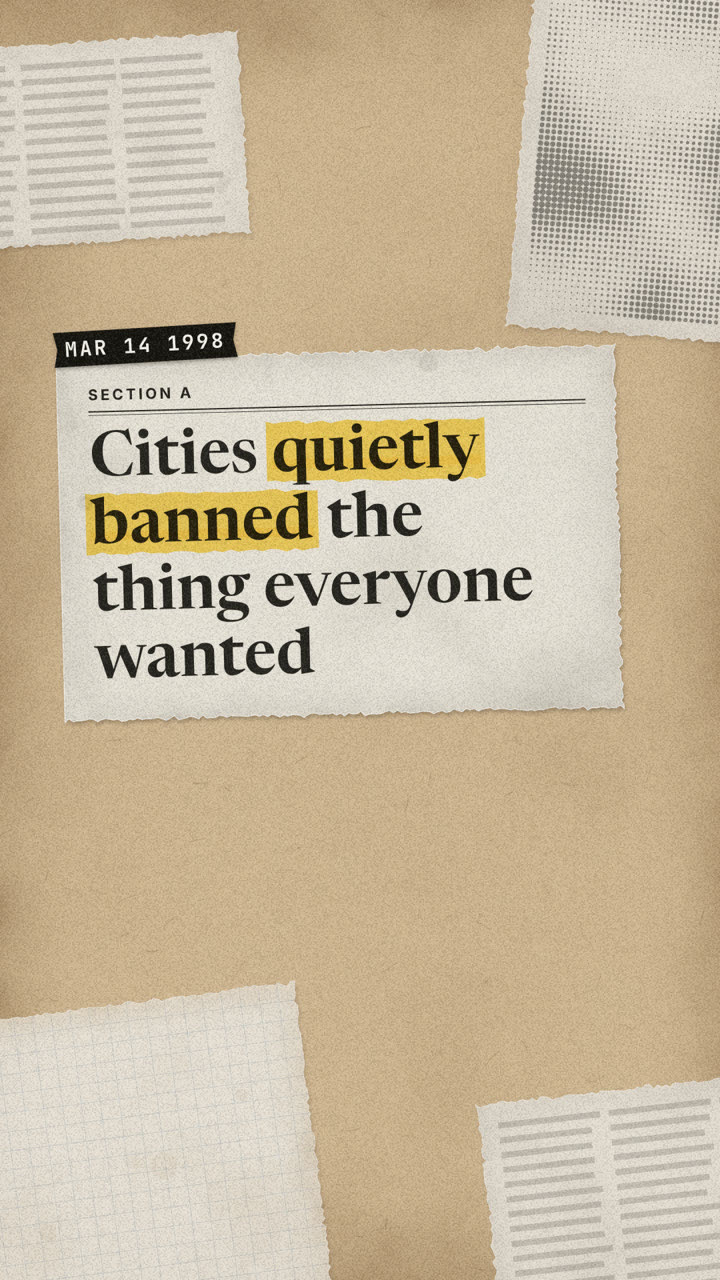
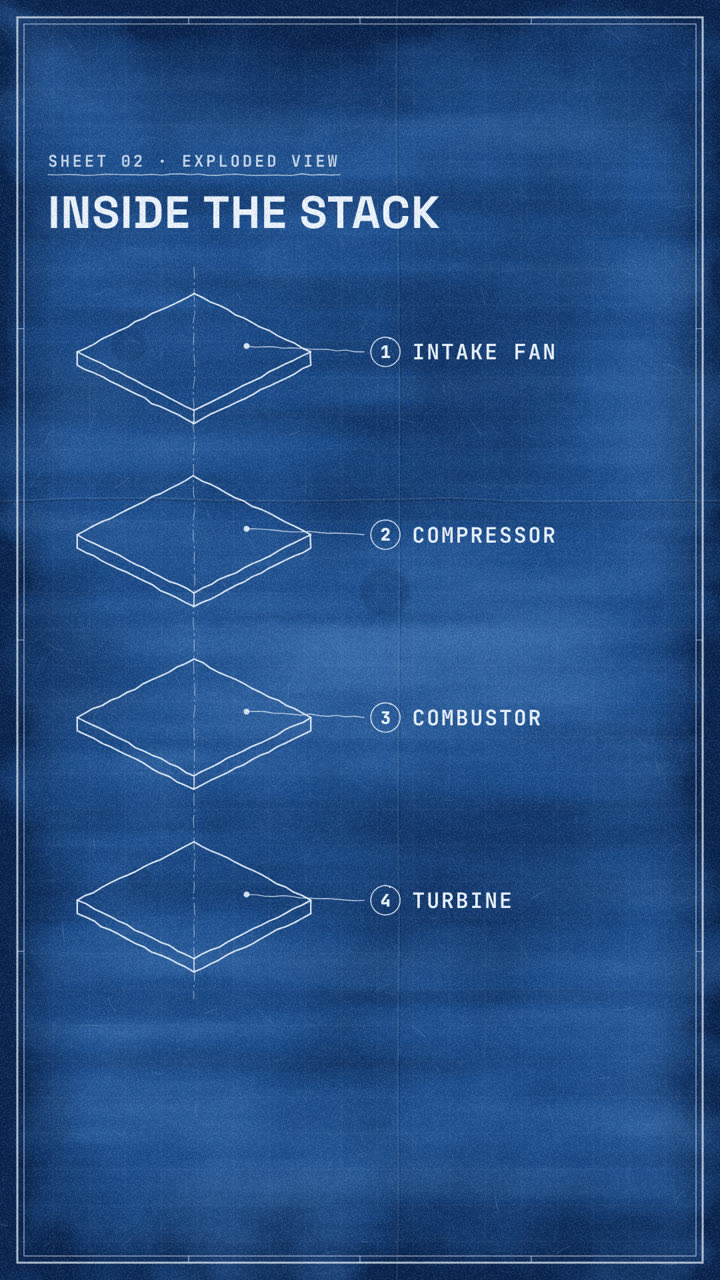
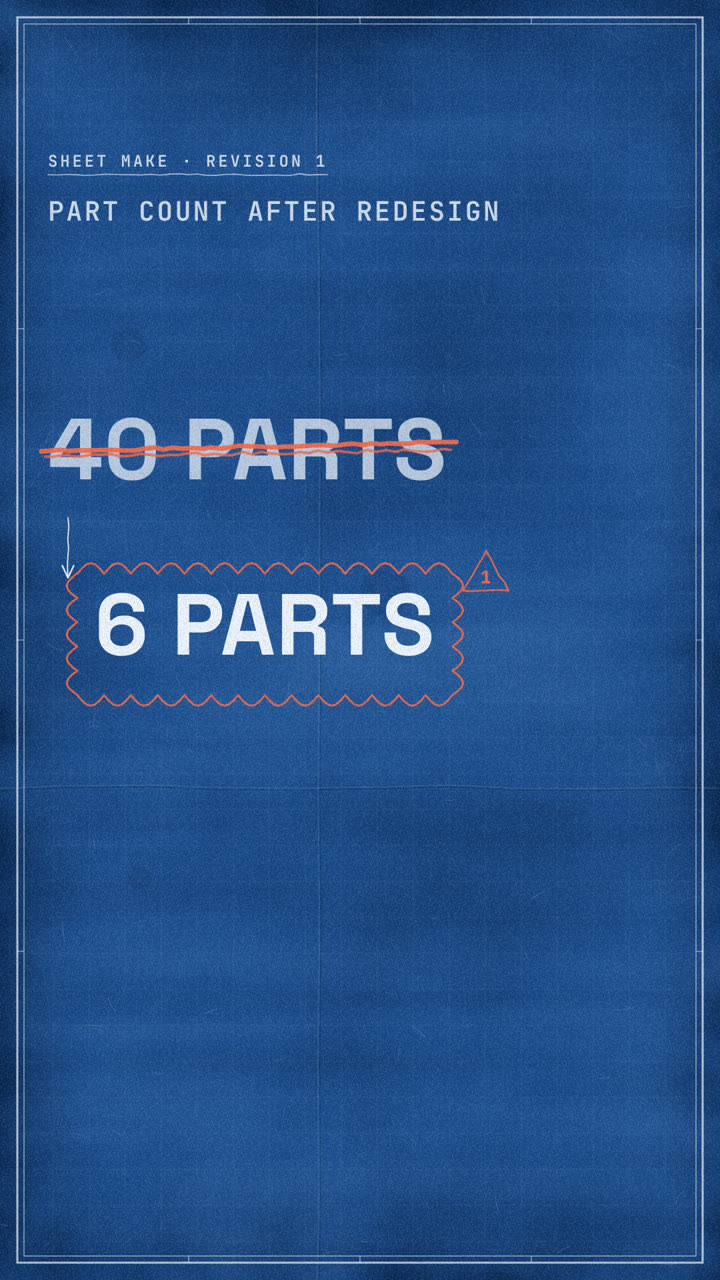
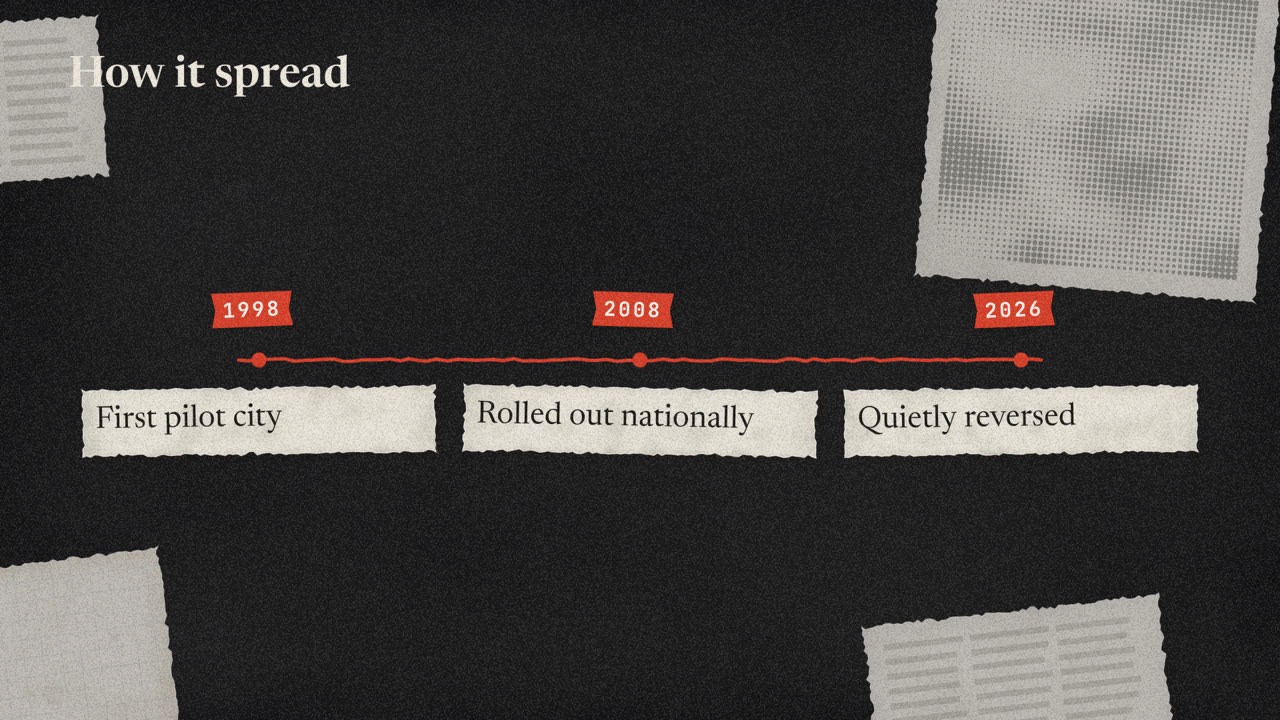
Two of the looks, as frames from their own render check. The kraft desk, torn newsprint, cyanotype exposure, fibres and fold creases are all procedural. A look is only filed once every component passes the same checks at 20, 55 and 90 % of its run, in 9:16, 1:1, 4:5 and 16:9.
The library
30 films so far, grouped by look
Everything OpenViral has rendered that is entirely its own: no archive photos, no third-party footage or figures. The dioramas and three match cuts above are part of it; below are the other 23. Each look is a small library of type, colour, motion and sound rules in code; each film is a format filled with one row of data, a script, or the look's own examples. Web copies at 720p.
pixel-diorama
Pixel art drawn by code: worlds, 5×7 type and score. Format directed-pixel.
print-match
Text match cut: the phrase stays on the same pixels while generated pages cut under it. ov matchcut "phrase".
kinetic-swiss
Swiss kinetic type on canvas: heavy grotesk, strict grid, one red accent. Format listicle from a CSV row.
--fx analog-bleed: glow, chroma split, wobble, grain. Same bytes on every render.sprite-noir
Poetic micro-essay: lowercase words with a caret, voxel sprites, thermal silhouettes, red pencil. Format word-reel.
blueprint-draft
Cyanotype engineering sheet: procedural Prussian-blue paper, pen-plotted lines that boil on twos. Structure S39, sheet by sheet.
paper-collage
Documentary collage on a kraft desk: torn newsprint on springs, highlighter, label-tape dates. Structure S16 / S24.
ink-ledger
Editorial money explainer: line drawing with a boil, price-tag cards, unit grids, one red word.
explainer-3d
Narrated tech explainer: word-timed caption rail, a dark 3D embedding space cut against white UI cards.
How it was built
Studied, measured, then rebuilt from scratch
Each capability started by measuring public videos we liked: loudness in 0.1 s bins, cuts, pixel grids, where the silence falls. Those numbers became rules. Nothing from the studied videos is reused: every frame, font, page and sound on this page is made by OpenViral's own code. Nobody has judged these films by ear yet; the claims above are measurements.